Affordable Services You Can Trust!
(209) 289-5600
Contact Us

Ant Control in Modesto, CA

Ant control is vital for maintaining a pest-free and hygienic environment. We employ targeted treatments, such as baits and barrier applications, to effectively manage ant infestations, ensuring homes and businesses remain ant-free and free from potential food contamination.

About Ants

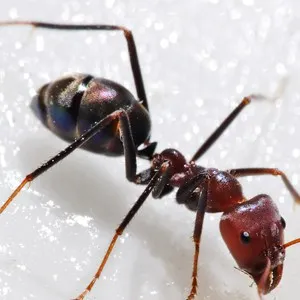
Close-up of ants requiring professional ant control services in Modesto, California.
Although ants are frustrating when they get into your home or when you’re having a picnic, ants do help the environment. They are social insects, which means they live in large colonies or groups. Depending on the species, ant colonies can consist of millions of ants.

There are three kinds of ants in a colony: The queen, the female workers, and males. The queen and the males have wings, while the workers don’t have wings. The queen is the only ant that can lay eggs. The male ant’s job is to mate with future queen ants and they do not live very long afterwards. Once the queen grows to adulthood, she spends the rest of her life laying eggs! Depending on the species, a colony may have one queen or many queens.

Ant colonies also have soldier ants that protect the queen, defend the colony, gather or kill food, and attack enemy colonies in search for food and nesting space. If they defeat another ant colony, they take away eggs of the defeated ant colony. When the eggs hatch, the new ants become the “”slave”” ants for the colony. Some jobs of the colony include taking care of the eggs and babies, gathering food for the colony and building the anthills or mounds.

Types of Ants:

In Modesto, California, several types of ants are commonly encountered, each with unique behaviors and habitats. Here are some of the most common native and invasive ant species found in the area:
  1. Argentine Ants: These ants are not native but are extremely common in California. They are small, dark brown, and often form supercolonies, which can include thousands of ants with multiple queens. Argentine ants are known for displacing native ant species and are difficult to control due to their massive colony sizes.
  2. Carpenter Ants: These large black ants are native to the region and are known for their ability to damage wood structures. Unlike termites, they do not eat wood but hollow it out to create nests, which can compromise the structural integrity of buildings.
  3. Odorous House Ants: So named for the unpleasant odor they emit when crushed, these small brown or black ants are commonly found indoors. They are attracted to sweets and moisture and can be a nuisance in homes.
  4. Pavement Ants: These small brown or black ants make their nests in or under cracks in pavements. They can enter homes in search of food, and while they are not as aggressive as some species, they can still be a nuisance.
  5. Red Imported Fire Ants: These invasive ants are a significant concern due to their painful stings, which can be dangerous to allergic individuals. They build large mound nests and can be aggressive, attacking anything that disturbs their nest.
  6. Velvety Tree Ants: These ants are known for their velvety appearance and are usually red and black. They nest in old wood and can sometimes be found in homes, where they can be a nuisance due to their fondness for sweets.
  7. Thief Ants: Very small and yellowish in color, these ants are so named because they often steal food and larvae from the nests of other ant species. They can also be a problem in homes, particularly in kitchens, where they infest food products.
Each of these ant types poses different challenges in terms of control and prevention. Effective ant management often requires identifying the specific species to target their unique behaviors and preferences.

Keeping Carpenter Ants at Bay: Prevention Tips and When to Call the Pros

Carpenter ants can be a homeowner's nightmare. These industrious insects don't just invade your living space; they can cause significant structural damage to your home. While DIY prevention methods are often effective, sometimes the problem requires professional intervention. This article will guide you through preventing carpenter ant infestations and knowing when it's time to call in the experts at Total Pest Management.

Understanding Carpenter Ants

Before we dive into prevention, it's crucial to understand what we're up against. Carpenter ants are large ants, typically black or dark in color, ranging from 1/4 to 1/2 inch in length. Unlike termites, they don't eat wood but excavate it to build their nests. This behavior can lead to serious structural damage over time.

Carpenter ants are attracted to moist, decaying wood but can also nest in dry, sound wood. They're most active at night and are often seen foraging for food, which includes other insects, sugary substances, and protein-rich foods.

Prevention Tips: Keeping Carpenter Ants Out

  1. Eliminate Moisture Problems Carpenter ants thrive in damp environments. Address any leaks, fix plumbing issues, and ensure proper drainage around your home's foundation. Use dehumidifiers in damp basements or crawl spaces.
  2. Remove Wood-to-Ground Contact Avoid direct contact between wooden structures and soil. Use concrete footings for decks and stairs, and keep wooden siding at least six inches above the ground.
  3. Trim Trees and Shrubs Keep trees and shrubs trimmed away from your house. Carpenter ants often use overhanging branches as bridges to enter homes.
  4. Seal Entry Points Inspect your home's exterior for cracks, holes, or gaps, especially around windows, doors, and where utility lines enter. Seal these potential entry points with caulk or appropriate materials.
  5. Store Firewood Properly Keep firewood elevated and away from your home's exterior. Bring in only what you plan to use immediately, as firewood can harbor carpenter ant nests.
  6. Remove Dead Trees and Stumps Decaying wood in your yard can attract carpenter ants. Remove dead trees, stumps, and old logs near your home.
  7. Fix Roof Leaks Promptly Roof leaks can lead to damp wood in your attic, creating an ideal environment for carpenter ants. Address any roof issues as soon as they're detected.
  8. Use Proper Ventilation Ensure your attic, basement, and crawl spaces are properly ventilated to prevent moisture buildup.
  9. Clean Gutters Regularly Clogged gutters can lead to water damage and create attractive conditions for carpenter ants. Clean them regularly to ensure proper water flow.
  10. Inspect and Replace Rotting Wood Regularly inspect your home for signs of wood rot, especially in areas prone to moisture. Replace any damaged or rotting wood promptly.
  11. Maintain a Clean Environment Keep your kitchen clean and store food in airtight containers. Clean up spills quickly and don't leave pet food out overnight.
  12. Create a Barrier Consider creating a barrier around your home's foundation using crushed stone or gravel. This can deter ants from nesting close to your house.

Signs of a Carpenter Ant Infestation

Despite your best prevention efforts, carpenter ants may still find their way into your home. Be on the lookout for these signs of an infestation:

  1. Presence of large, dark ants indoors, especially at night
  2. Small piles of wood shavings (frass) near wooden structures
  3. Faint rustling sounds in walls or wooden structures
  4. Winged ants indoors (often indicating a mature colony)
  5. Hollow-sounding wood when tapped
  6. Visible tunnels or galleries in wood

When to Call the Professionals

While prevention is key, sometimes carpenter ant problems can escalate beyond DIY solutions. If you notice any of the following, it's time to contact the experts at Total Pest Management:

  1. Persistent ant activity despite your prevention efforts
  2. Large numbers of carpenter ants in or around your home
  3. Discovery of multiple nests or satellite colonies
  4. Signs of significant wood damage
  5. Difficulty locating the main nest
  6. Recurring infestations after DIY treatments

Professional pest control services, like those offered by Total Pest Management, have the expertise, equipment, and access to professional-grade products to effectively eliminate carpenter ant infestations. They can:

  1. Conduct a thorough inspection to locate all nests and entry points
  2. Develop a customized treatment plan for your specific situation
  3. Use targeted, effective treatments to eliminate the entire colony
  4. Provide ongoing prevention strategies to keep your home ant-free
  5. Offer professional advice on structural repairs if necessary

Remember, when it comes to carpenter ants, early intervention is crucial to prevent extensive damage to your home. By following these prevention tips and knowing when to call in the professionals, you can protect your home from these wood-destroying pests.

If you suspect a carpenter ant problem or want a professional assessment of your home's risk factors, don't hesitate to contact Total Pest Management. Their experienced team can provide the solutions you need to keep your home ant-free.

Table of Contents

About Ants

Types of Ants

Ant Prevention

Schedule an Inspection Today!


Total Pest Management

Stephen continues to follow his dream by providing quality pest control services for homes and businesses in the central valley. He has the desire and commitment to put in the time and hard work it takes to provide top quality service.

Contact Information

(209) 289-5600
info@totalpestmgt.com
Mon – Fri: 8:00 am – 5:00 pm
Sat – Sun: Closed

Locate Us

© 2019 - 2026 - Total Pest Management. All Rights Reserved.
crossmenu